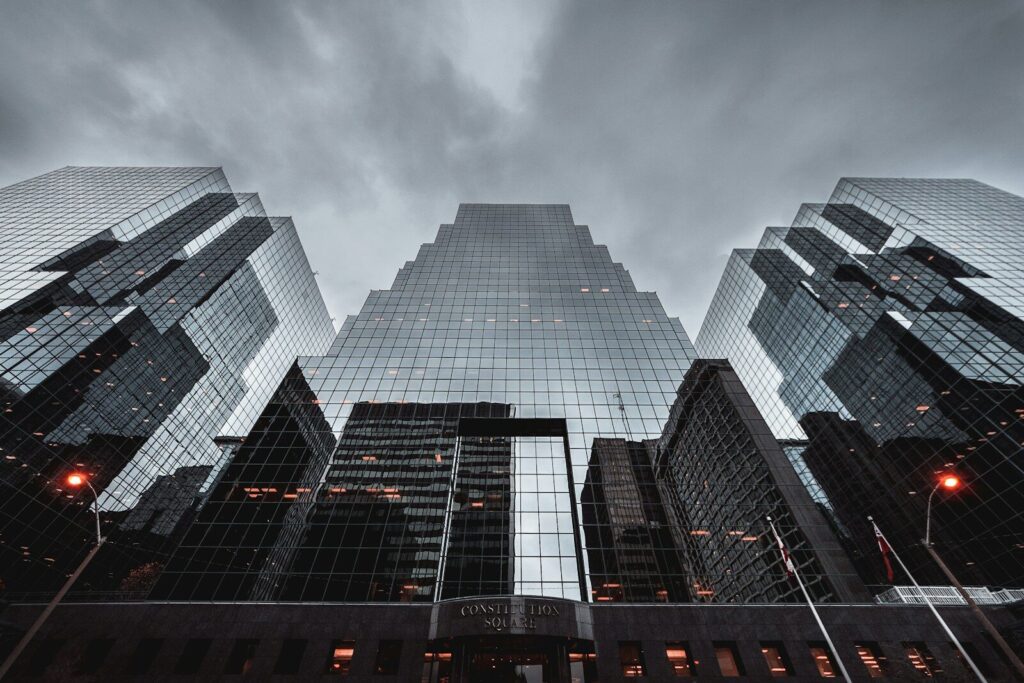
In high-end construction, the finished product gets all the attention. The architecture, the materials, and the visual impact are what people remember. But what separates a successful luxury development from a problematic one isn’t what’s visible at the end. It’s everything that happens behind the scenes.
At The Dehal Group, luxury projects are approached with a clear understanding: execution is what ultimately protects the vision.
The Expectation vs. Reality Gap
Many clients begin a project focused on finishes, layouts, and design features. While those elements are important, they are not what determines whether a project runs smoothly. In reality, success is driven by planning, coordination, and decision-making long before construction is complete. Without that foundation, even the most compelling designs can fall apart under pressure.
Pre-Construction Is Where Projects Are Won or Lost
The most critical phase of any development happens before construction begins. This is where the groundwork is laid through detailed site analysis, budget alignment, and early risk identification. It is also where value engineering plays a crucial role, ensuring that costs are managed without compromising the overall vision. When this phase is handled correctly, it prevents costly changes later. When it is rushed or overlooked, it often leads to delays, budget overruns, and difficult compromises.
Managing Complexity Across Trades
Luxury developments involve a high degree of coordination, often requiring multiple trades, consultants, and suppliers to work in sync within tight timelines. Without experienced construction management, small misalignments can quickly compound into larger issues. Scheduling conflicts, communication breakdowns, and execution errors are common in poorly managed projects. Strong oversight ensures that every moving part remains aligned, even as complexity increases.
Maintaining Quality at Scale
Consistency is one of the most challenging aspects of delivering a luxury development, especially in larger residential or mixed-use projects. Maintaining high standards across every unit requires disciplined processes and constant oversight. It is not simply about selecting quality materials, but about ensuring that those standards are upheld at every stage of construction. Without a structured approach, quality can easily erode under time pressure.
Navigating Ontario’s Regulatory Landscape
Construction in Ontario involves navigating a complex regulatory environment that includes permits, zoning requirements, and multiple stages of inspection. These processes can significantly impact timelines if they are not properly anticipated. Experienced teams understand how to work within these constraints, planning ahead to minimize disruptions and keep projects moving forward.
Delivering on Time Without Compromising the Vision
Timelines matter, but speed alone is not the goal. Delivering a project on time while maintaining the integrity of the original vision requires careful planning, consistent communication, and the ability to adapt when challenges arise. The most successful projects are those where timelines are respected without sacrificing quality or detail.
Final Thoughts
Luxury construction demands more than strong design. It requires a deep understanding of process, coordination, and execution at every stage. The difference between a project that simply meets expectations and one that truly stands out comes down to how well that process is managed. That is where experience becomes invaluable.